


Ever watched your dog stare at the door, tail thumping, hoping you’ll grab the leash and head out? You know that mix of guilt and worry when you’ve got a meeting, a shift change, or just a rainy afternoon and you can’t give them the walk they deserve.
That’s the exact moment dog walking services become a lifesaver. Imagine a friendly, vetted walker showing up, leash in hand, ready to turn a restless pup into a happy explorer while you focus on work or catching a flight.
But how do you pick the right service without feeling like you’re gambling? First, think about trust – you want someone who treats your dog like family, not just another client. Second, consider flexibility – can they fit into your unpredictable schedule, especially if you’re a shift worker or travelling often?
Here’s a quick mental checklist: Do they have clear background checks and animal‑welfare training? Do they offer real‑time updates, like a photo or a quick message after the walk? And most importantly, do they understand the quirks of your dog – the favourite park, the leash‑pull habit, the love for sniffing every bush?
If you’ve ever tried a new walker and felt uneasy, you’re not alone. Many Aussie pet owners share that “you’re leaving your best mate with a stranger” anxiety. The good news? Platforms like PetCloud make the process as transparent as ordering a coffee: you can read reviews, see certifications, and even arrange a meet‑and‑greet before the first walk.
So, what’s the first step? Open the app, type in “dog walking services”, and filter by your suburb. You’ll see local walkers, their rates, and availability. Pick one who matches your vibe, book a short trial, and watch the relief wash over you as your dog returns, tongue out, eyes bright.
Ready to reclaim your schedule without compromising your dog’s happiness? Let’s dive in and explore how to choose the perfect match, set expectations, and make every walk a win‑win for you and your four‑legged friend.
TL;DR
Dog walking services let busy Aussie owners book vetted walkers through PetCloud, giving peace of mind with real‑time updates and flexible scheduling.
In just a few taps you can match your pup’s quirks, test a short trial, and reclaim your time without compromising their happiness for their overall wellbeing today.
Understanding Dog Walking Services
When you think about what a dog walking service actually does, the first image that pops into your head is probably a friendly face showing up with a leash, a treat, and a sunny smile. But underneath that simple scene lies a whole ecosystem of checks, schedules, and technology that keep your pup safe and you stress‑free.
Let’s break it down together. First, there’s the matching algorithm – the part of the platform that pairs your dog’s temperament, size, and favourite routes with a walker who’s experienced in those exact quirks. It’s not just a random assignment; it’s a curated match, like finding a perfect study buddy for a group project.
What actually makes up a dog walking service?
1. Vetting and training: Every walker goes through background checks, animal‑welfare certifications, and practical assessments. This is the safety net that turns “someone I don’t know” into “someone I trust”.
2. Real‑time updates: Most services now send you a quick photo or a ping once the walk is done. It’s that little reassurance that says, “Hey, they’re happy, they’ve stretched their legs, and they’re back home safe.”
3. Flexibility: Whether you’re a shift worker, a frequent flyer, or juggling a NDIS plan, you can book a one‑off walk, a recurring schedule, or even a last‑minute slot. The platform’s calendar syncs with your phone, so you never have to guess if a walker is available.
How do prices work?
Pricing usually depends on walk length (30‑minute vs 1‑hour), group vs private walks, and whether you’re booking a recurring package. A lot of Aussie owners find that a weekly subscription saves a few bucks compared to paying per walk. If you want the exact breakdown, the Pet Care Services price guide spells it out in plain Aussie dollars.
So, what should you look for when you’re scrolling through the list of walkers? Here’s a quick cheat‑sheet:
- Check the walker’s reviews – look for mentions of punctuality and how they handle leash pulling.
- Look for a clear “meet‑and‑greet” option. A short trial walk lets you see chemistry before committing.
- Make sure the walker knows your favourite park or any off‑limits spots (like a neighbour’s garden).
Does any of this feel overwhelming? Trust me, it’s normal. The first time I booked a walker, I was nervous about leaving my Labrador with a stranger. After the initial meet‑and‑greet, the walker sent me a video of my dog’s tail‑wagging excitement – instant relief.
Watching a short clip of a real walk can help you visualise what to expect – the route, the pace, even the occasional sniff break.
If you’re juggling studies abroad or a busy university schedule, you might wonder how a dog walking service fits into that lifestyle. A quick glance at StudyInFocus shows how students manage time‑intensive commitments, and the same principle applies: reliable support systems free you to focus on what matters.
And for those who love a bit of adventure, consider the unexpected synergy with travel gear. Websites like AquaMoto showcase portable water solutions that can keep your pup hydrated during longer urban walks or beach outings – a tiny tip that makes a big difference.
Remember, a good dog walking service isn’t just about ticking boxes; it’s about building a partnership where your dog’s wellbeing and your peace of mind go hand‑in‑hand.
Ready to take the next step? Start by searching for walkers in your suburb, read a couple of reviews, and book that short trial. You’ll soon feel the weight lift off your shoulders as you watch your furry friend return, tongue out, eyes bright.
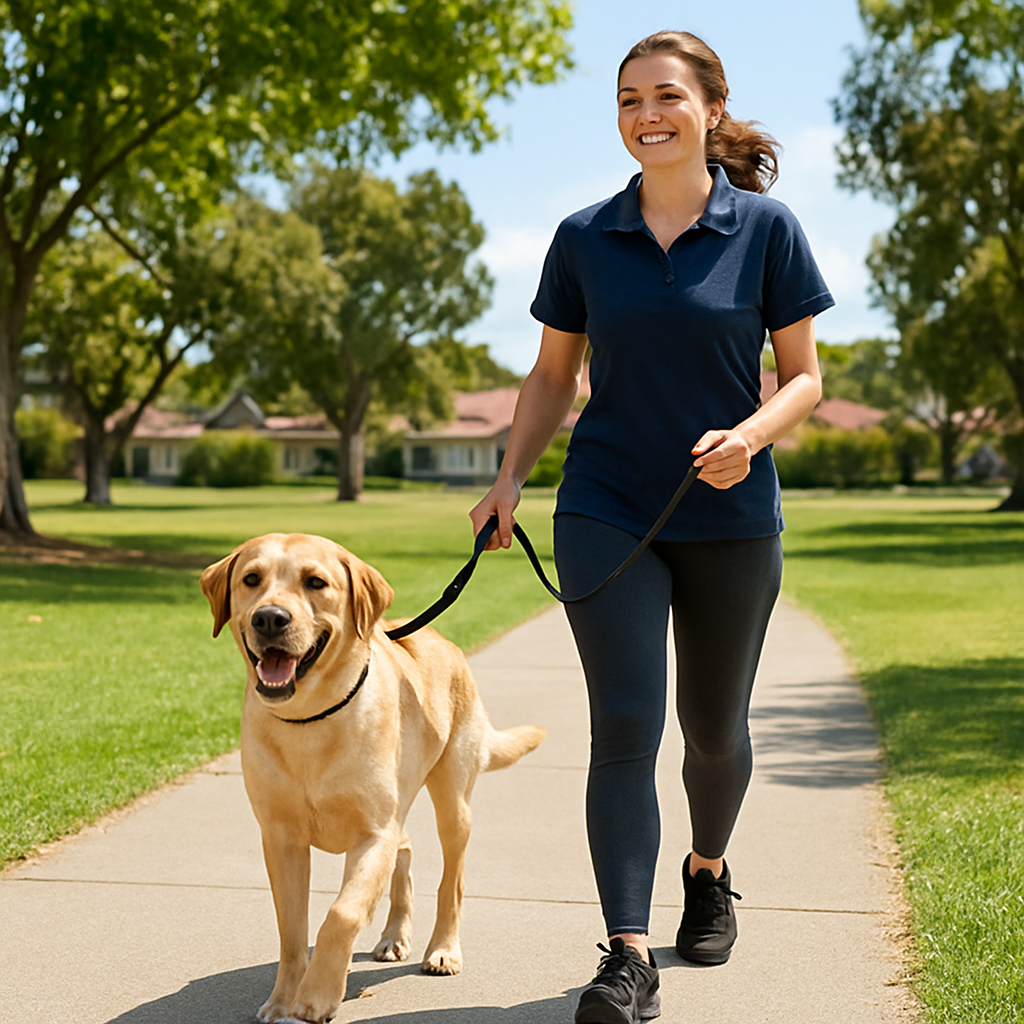
How to Choose the Right Dog Walking Service
Ever felt that knot in your stomach when you hand over the leash to a stranger? You’re not alone. The right dog walking service should feel like a trusted neighbour, not a random hire.
First, pause and think about what your pup actually needs. Is it a quick bathroom break, a 30‑minute jog, or a social romp at the local dog run? Knowing the answer narrows the field and saves you from endless scrolling.
1. Check the safety basics
Any reputable service will have clear proof of background checks and animal‑welfare training. Look for a mention of first‑aid certification or insurance – those are the non‑negotiables. If you can’t find that information on the profile, ask the walker directly before you book.
And don’t forget the emergency plan: a quick note on who they’ll call if your dog gets a cut, and whether they have a vet on speed‑dial.
2. Match the walk style to your dog’s personality
Some walkers stick to a simple “walk only” route, while others incorporate a stop at a nearby dog run for off‑leash play. NYC Doggies explains that small group walks (up to three dogs) give pups the social boost they crave without the chaos of a large pack. If your dog is shy, an individual walk might be best; if they love making friends, ask for a small‑group option.
Ask the walker how they handle leash‑pulling, anxiety, or senior‑dog pacing. A good professional will tailor the pace and route on the fly.
3. Test the chemistry with a meet‑and‑greet
Schedule a 15‑minute sit‑down at your front door. Bring a favourite toy or treat and watch how the walker interacts with your dog’s quirks – does they kneel, use a gentle voice, respect the leash grip you prefer? This isn’t just polite; it’s the moment you’ll see if trust can grow.
Take notes: did the walker ask about your dog’s health issues? Did they suggest a specific route that matches your pup’s energy level? Those little details speak volumes.
4. Run a short trial and demand proof
Book a single walk, then ask for a quick photo or a brief text update. Seeing a smiling muzzle mid‑sprint reassures you that the walk actually happened – a feature many Aussie platforms bake in.
If the trial feels right, lock in a recurring slot that matches your work schedule. Flexibility matters for shift workers and frequent flyers; a service that lets you tweak times via the app is a lifesaver.
Now that you’ve seen the video, you might wonder how to keep the momentum going. Keep a simple log after each walk: jot down the route, duration, and any changes you notice at home – calmer behaviour, better appetite, or even a few extra pounds lost.
5. Review and refine
After a couple of weeks, compare the log with your expectations. Does your dog come back happier? Is the walker consistently punctual? If something feels off, don’t be afraid to switch – the market is full of vetted walkers ready to step in.
Remember, the goal isn’t just a check‑off on a to‑do list; it’s to create a reliable, low‑stress routine for both you and your four‑legged mate.
Cost Factors and Pricing Models
When you start looking at dog walking services, the first thing that pops up is the price tag. It can feel a bit like guessing how much a cup of coffee will cost before you even walk into the café. The good news is that most of the variables are actually pretty transparent once you break them down.
Understanding the main cost drivers
Think about what you’re actually paying for. A basic walk might only cover the walker’s time and travel, but many services bundle extras that can shift the number up or down. Here are the usual suspects:
- Duration and distance. A 30‑minute stroll in your neighbourhood is cheaper than a 60‑minute jog that includes a detour to a dog‑run.
- Walker expertise. Someone with a pet‑first‑aid certificate or specialised experience with senior dogs may charge a bit more.
- Location. Walks in central Sydney tend to cost more than those in the outer suburbs because of travel time and higher living costs.
- Additional services. Real‑time photo updates, GPS tracking, or a quick water‑break stop can be added on as a premium.
So, why do some walkers charge $24 for a half‑hour while others ask $34? According to a rate calculator used by pet‑care businesses, the typical range for a 30‑minute walk in Australia sits between $24 and $34, reflecting those very factors.
Common pricing models explained
Now that you know what moves the needle, let’s look at how services package those costs. Most platforms fall into one of three buckets.
Pay‑as‑you‑go
This is the most flexible option – you book a single walk and pay the listed rate each time. It’s perfect if you only need occasional coverage, like when you’re travelling or have an unexpected meeting. The downside? Prices can add up if you end up booking several walks a week.
Subscription or recurring packages
Many Aussie services, including PetCloud, let you lock in a weekly or monthly schedule. You might pay a slightly lower per‑walk rate because the platform knows you’ll be a regular. It also means you won’t have to re‑enter payment details every time – a tiny but nice time‑saver.
Bundled bundles
Some walkers combine dog walking with pet‑sitting, pet‑taxi, or grooming. If you already use a platform for multiple services, bundling can shave off 5‑10% off the total. Just make sure the bundle actually matches your needs; you don’t want to pay for a grooming slot you’ll never use.
How to choose the right model for you
Start with a quick self‑audit: How many walks do you need per week? Do you prefer the certainty of a set price, or the freedom to book ad‑hoc? Then run through this three‑step checklist.
- Calculate your baseline cost. Multiply the typical 30‑minute rate ($24‑$34) by the number of walks you expect. That gives you a ballpark weekly spend.
- Compare the per‑walk price of a subscription versus pay‑as‑you‑go. If the subscription saves you $5‑$10 per walk and you walk at least three times a week, the maths usually work in favour of the package.
- Look for hidden value. Real‑time updates, GPS tracking, and insurance coverage (many platforms back bookings with up to $25,000 protection) can tip the scales, even if the headline price looks similar.
Here’s a quick visual to help you line up the options.
| Pricing Model | Typical Cost Range | Best For |
|---|---|---|
| Pay‑as‑you‑go | $24‑$34 per 30‑min walk | Occasional walks, unpredictable schedule |
| Weekly subscription | $20‑$30 per walk (discounted) | Regular routine, shift‑workers, travellers |
| Bundled services | Varies – often 5‑10% off total | Pet owners who also need sitting, taxi, grooming |
Actionable next steps? Grab a notebook (or your phone) and jot down how many walks you think you’ll need in a typical month. Then plug those numbers into the rate calculator to see if a subscription beats pay‑as‑you‑go. Finally, reach out to a few walkers on the platform, ask about any bundled discounts, and compare the total cost against your budget.
Remember, the cheapest option isn’t always the smartest. A slightly higher price that includes live photo updates and a guaranteed insurance policy can save you a lot of stress – and that peace of mind is priceless.
Safety and Training Standards
Why safety matters
Ever handed your dog’s leash to a stranger and felt that knot tighten in your chest? That feeling’s normal – it’s the brain flagging unknown risk. When you choose a dog walking service, the first thing you should check is: does this service treat safety like a non‑negotiable?
Because a single slip or a sudden storm can turn a routine stroll into a stressful emergency, the best walkers build safety into every step of the process.
Core safety practices you’ll see on reputable platforms
Most top‑tier services follow a handful of tried‑and‑true habits. Walkers keep dogs on a sturdy, non‑retractable leash at all times, and they use a belt‑mounted walking strap with a locking carabiner for extra control – that way two hands stay on the leash and a sudden tug won’t send the walker off‑balance.
They also bring the whole pack indoors before heading out on a group walk, which guarantees nobody gets left unattended on the curb. Small‑group walks are limited to two or three dogs, and the manager introduces the pups beforehand to make sure temperaments match.
For extra peace of mind, many walkers carry a safety clip that connects the dog’s regular collar to the walking gear, providing a backup if the leash somehow fails. And they avoid retractable leashes altogether because they can snap back with dangerous force.
MixyPaws outlines key safety protocols like these, showing that a disciplined approach keeps both pet and walker secure.
Training and certification – the hidden backbone
It’s one thing to have good gear; it’s another to know how to use it when things go sideways. That’s where pet‑first‑aid and CPR training comes in. Walkers who have completed a recognised pet first‑aid course can respond to cuts, sudden illnesses or an allergic reaction with confidence.
The Red Cross highlights the importance of pet first‑aid training for dog walkers, noting that emergencies happen unexpectedly and a quick, knowledgeable response can be the difference between a minor scare and a serious incident.
Look for evidence of certification on the walker’s profile – a badge, a certificate number, or a mention of recent training. If the platform itself offers a built‑in verification step, that’s a solid sign they value competence as much as convenience.
What to ask before you book
When you’re ready to chat with a potential walker, keep these quick questions in your pocket:
- Do you use a belt‑mounted walking strap with a locking carabiner?
- What’s your policy on off‑leash play?
- Can you share a copy of your pet first‑aid certification?
- How do you handle extreme weather – do you bring raincoats or booties if needed?
- Is there a manager or supervisor you can call in an emergency?
Answers that tick these boxes usually mean the service has built safety into its DNA, not just tacked it on as a marketing line.
Quick safety checklist for your next walk
Before you hand over the leash, run through this short list. It takes less than a minute, but it can save hours of worry later.
- Confirm the walker is background‑checked and has a pet‑first‑aid badge.
- Verify they’ll keep your dog leashed and that they use a belt‑mounted strap.
- Ask about the group size – two to three dogs is ideal for control.
- Make sure they have a clear emergency protocol and a manager on call.
- Check that any treats you give are the only treats used during the walk.
If any answer feels vague, it’s okay to keep looking. The right safety net is worth the extra time.
And remember, safety isn’t just about avoiding accidents – it’s also about building trust. When you see a walker double‑check your dog’s raincoat or pause to ask about a recent vet visit, you know they’re genuinely caring for your pup’s wellbeing.
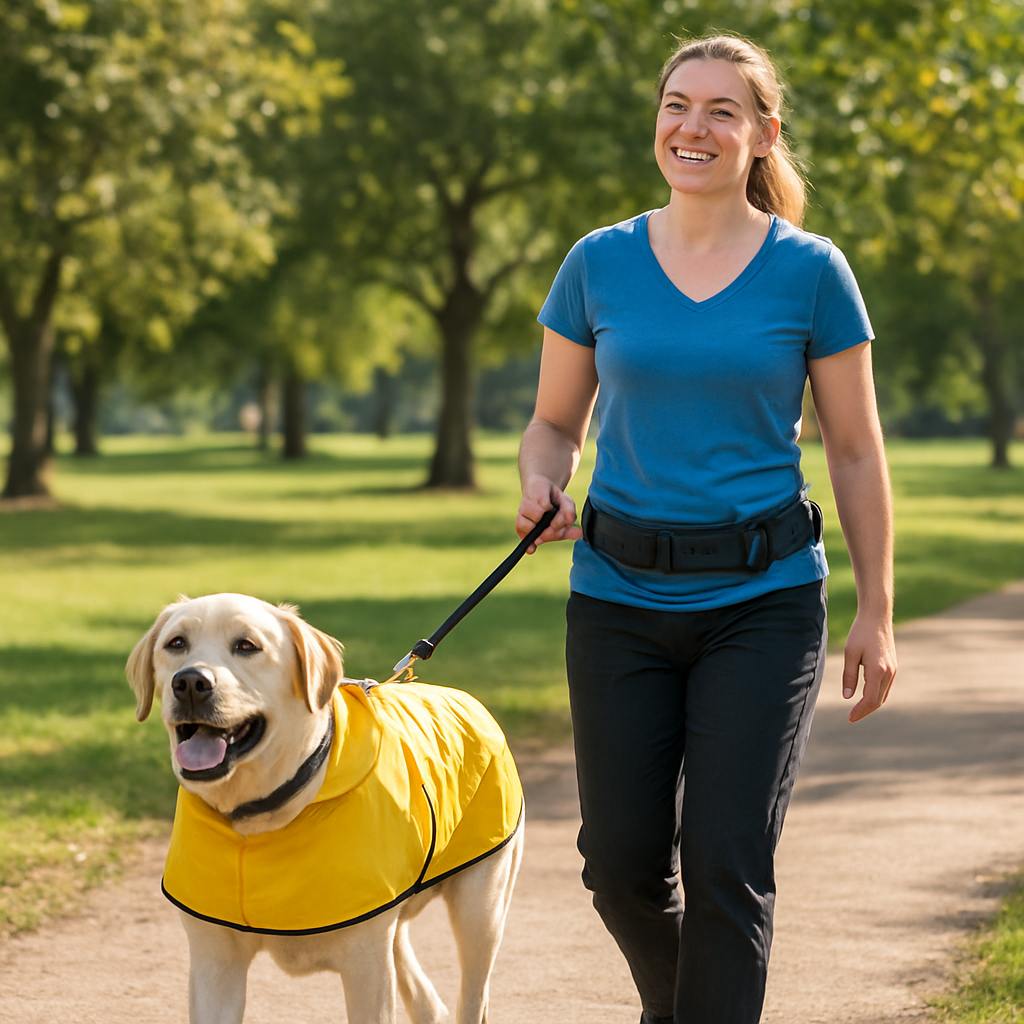
Bottom line: choose dog walking services that prove safety through equipment, training, and transparent policies. When those pieces line up, you’ll feel that knot in your stomach loosen, and your dog will get the happy, healthy walks they deserve.
Booking, Payment & Communication Tips
Alright, you’ve found a walker you like – now comes the part that can feel a bit like juggling a coffee, a laptop, and a sleepy pup at the same time.
First thing’s first: lock in the booking. Most Aussie platforms let you tap “Book” straight from the walker’s profile, then pick a date and time that suits your shift or travel plans. If you’re a night‑owl or a weekend‑warrior, look for a calendar that lets you scroll forward a month – that way you can schedule ahead for those unpredictable work rosters.
Step 1 – Choose the right booking model
Do you need a one‑off walk for a vet visit, or a recurring slot for daily exercise? Many services offer a trial walk – think of it as a coffee date for you, your dog, and the walker. If the vibe feels right, switch to a recurring booking; you’ll usually snag a small discount and the platform will remember the exact time you need each week.
So, what should you do next? Open the app, find the “Recurring” toggle, and set it to the day you usually finish work. That way you won’t have to remember to re‑book every Friday.
Step 2 – Nail down payment details
Payment can be a sticky point if you’re not clear about when the card gets charged. Most platforms charge you automatically after each walk, sending a receipt straight to your email. If you prefer a single monthly invoice, look for a “subscription” option – it bundles the walks and often includes perks like live photo updates.
And what about budgeting? A quick tip: add a tiny buffer of $5‑$10 per walk for any extra services (like a quick water‑break stop or a treat pack). That way you won’t be surprised when the final total pops up.
Step 3 – Set communication expectations
Real‑time updates are the secret sauce that turns a simple walk into peace of mind. Ask the walker if they’ll send a quick snap or a text once they’re back. If they’re using the platform’s messaging feature, you’ll get a push notification on your phone – perfect for those moments when you’re in a meeting and just need a “Milo’s back, all good!” ping.
But what if you need to reach them during the walk? Most walkers keep their phone on hand for emergency calls. Save their number in your contacts and note the preferred response time (e.g., “I’ll get back within 10 minutes”). That little habit can save you from endless scrolling later.
Step 4 – Create a walk brief
Before the first walk, draft a short brief for the walker. Include your dog’s favourite park, any leash‑pull tendencies, and health notes (like “Bella’s arthritis – avoid steep hills”). Keep it to bullet points so it’s easy to skim.
Here’s a quick template you can copy‑paste into the app’s notes field:
- Dog name, breed, age
- Leash type and any special harness
- Preferred route (e.g., “Southside Reserve, avoid busy streets”)
- Treats allowed – yes/no
- Emergency contact – vet phone, address
Does this really work? Absolutely – walkers love clear instructions, and you’ll feel confident that every detail is covered.
Step 5 – Review and tweak after each walk
After the walk, take a minute to glance at the update. Did the walker follow the route you suggested? Was your dog happy? If something feels off, drop a polite message: “Hey, great job today! Could we try a quieter path next time?” Small tweaks add up to a smoother routine.
And don’t forget to rate the walk. A quick star rating and a line of feedback helps the platform improve its matching algorithm, which means future walkers will be even better suited to your pup.
Bonus tip – Keep a simple log
Jot down the date, time, walk length, and any behavioural changes you notice at home. Over a few weeks you’ll see patterns – maybe your dog is calmer after a consistent evening walk, or you’ve saved money by switching to a subscription.
Sound familiar? That’s the sweet spot where booking, payment, and communication line up, and you get back that extra hour of sleep (or coffee) you’ve been craving.
Ready to lock in your first walk? Open the app, pick a trusted walker, set a recurring slot, add a brief, and hit “Confirm”. You’ll soon be watching those happy tail wags on your phone, while you focus on the things that matter most.
FAQ
What should I look for when choosing a dog walking service?
When you’re hunting for a dog walking service, start with the basics: background checks, pet‑first‑aid certification, and insurance. Look at reviews that mention punctuality and how the walker handles leash pulling or anxious pups. A good profile will list the equipment they use – non‑retractable leash, belt‑mounted strap – and whether they keep groups to two or three dogs. Those details usually signal a service that takes safety seriously.
How much does a typical dog walking service cost in Australia?
Typical rates in Australia hover between $24 and $34 for a 30‑minute walk, but the exact price depends on location, dog size and any extra perks like live photo updates. In Sydney’s inner suburbs you might see the higher end, while regional areas often sit nearer the lower range. Many platforms offer a small discount for weekly subscriptions, so doing the maths for your expected walk frequency can reveal real savings.
Are dog walkers insured and what does that mean for me?
Most reputable dog walking services carry public liability insurance, usually up to $25,000, which protects you if a dog gets injured or if the walker damages property while on the job. Ask the walker to show the certificate before you book; a legitimate platform will display it on the profile. With insurance in place you won’t be left holding the bill for vet fees or accidental damage.
Can I request a specific route or park for my dog’s walk?
You can absolutely tell your walker which park or street you prefer – most apps have a “notes” or “brief” field for that exact purpose. Include details like “avoid the busy main road” or “stop at the dog‑run near Southside Reserve”. If your dog loves a particular scent trail, mention it, and the walker will map the route accordingly, giving you peace of mind that the walk matches your pup’s routine.
What happens if my dog gets sick or injured during a walk?
If your dog falls ill or gets a minor injury, a certified walker will follow a clear emergency protocol: they’ll contact you immediately, call the vet you’ve listed, and administer basic first‑aid if needed. Many services require the walker to have a pet‑first‑aid badge, so you can trust they know how to handle cuts, heatstroke or sudden anxiety. Always double‑check the emergency contact details in the brief before the first walk.
How do I set up recurring bookings and payments?
Setting up a recurring walk is as simple as toggling the “repeat” option in the PetCloud app and choosing the day and time that line up with your work roster. The platform will charge you automatically after each completed walk, or you can opt for a monthly invoice if you prefer a single payment. Remember to review the schedule every few weeks; a tiny shift in your shift pattern might mean you need to adjust the walker’s slot.
Do dog walking services provide updates and photos?
Most Australian dog walking services now send a quick photo or a short text once the walk is done – it’s the digital equivalent of seeing your dog’s wagging tail in person. Some platforms even let you watch a live GPS trace of the route, so you know exactly where they’ve been. If you value that reassurance, look for a service that advertises “real‑time updates” as a core feature.
Conclusion
So, you’ve walked through what makes dog walking services tick, from safety checklists to real‑time updates. Now it’s time to turn that knowledge into a smoother routine for you and your pup.
Remember the little knot you feel when handing over the leash? It fades once you pick a vetted walker who matches your dog’s vibe. A quick meet‑and‑greet, a photo after the first walk, and you’ll know you’ve found the right fit.
Set up a recurring slot in the PetCloud app and treat it like any other health appointment. A tiny buffer in your budget for extras – like a water break or a treat pack – keeps surprise fees at bay.
Keep a simple log: date, route, any behavioural changes you spot at home. After a few weeks you’ll see patterns – calmer evenings, steadier weight, happier tail wags.
If something feels off – a missed update or a walker who skips your preferred park – speak up quickly. A polite tweak in the brief often solves it, and the platform’s rating system helps steer future matches.
Bottom line: dog walking services can give you back precious time while keeping your furry mate healthy and happy. Take the steps we’ve outlined, trust the safety standards, and watch that knot loosen for good.