

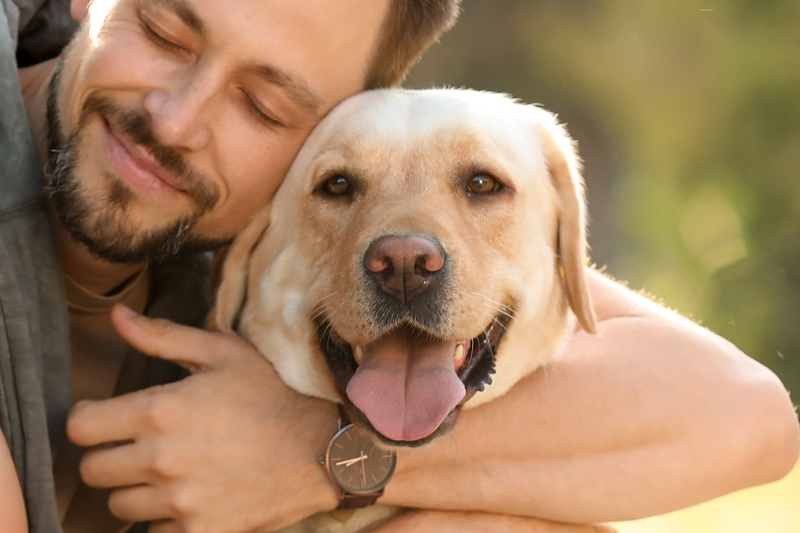
Assistance dogs play a crucial role in the lives of individuals with disabilities, providing companionship, support, and enhancing independence. For NDIS (National Disability Insurance Scheme) participants, the care and well-being of their assistance dogs are of utmost importance.
Training and Socialisation
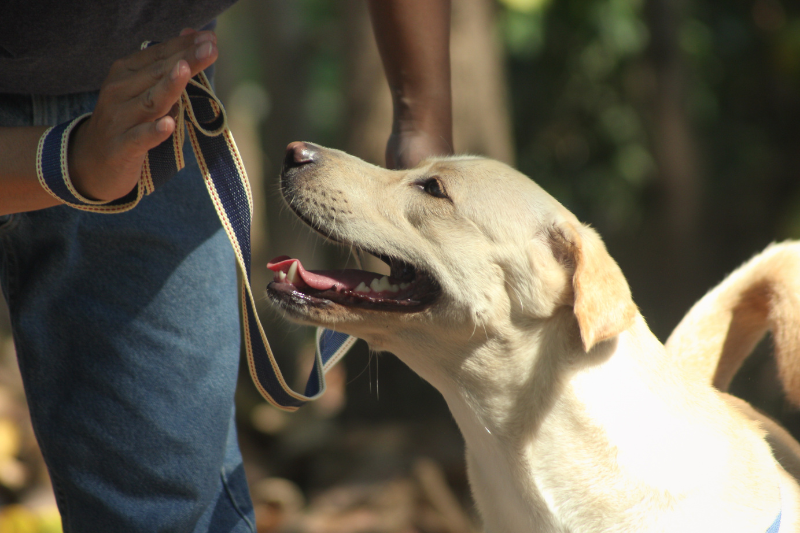
Assistance dogs undergo extensive training to perform specific tasks that aid individuals with disabilities. It is important to continue their training and socialisation even after they have been assigned to their handlers. Regular obedience training sessions and exposure to different environments can help keep their skills sharp and maintain their confidence.
Exercise and Physical Activity
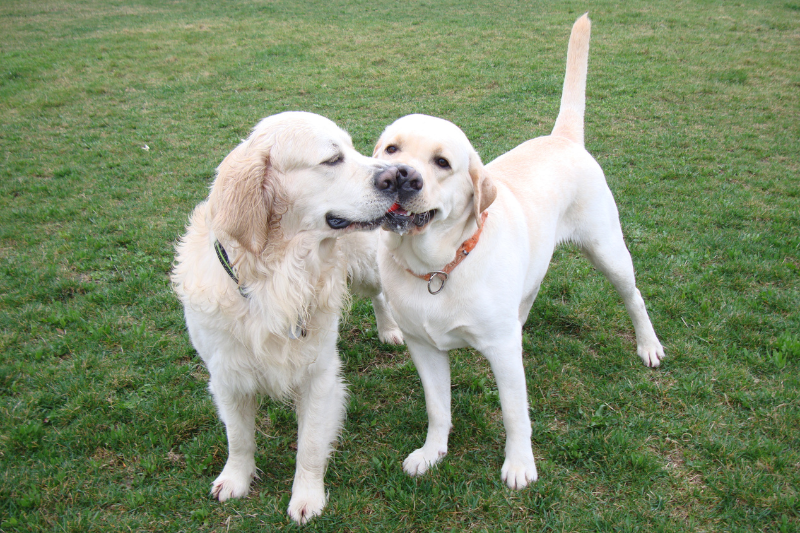
Physical exercise is vital for both the physical and mental well-being of assistance dogs. Regular walks, play sessions, and opportunities for off-leash activities should be incorporated into their daily routine. NDIS participants with physical disabilities such as cerebral palsy, multiple sclerosis (MS), epilepsy, Carpal tunnel syndrome, amputations, and spinal cord injuries can seek assistance from PetCloud’s dog walking services, ensuring that their dogs receive the exercise they require.
Proper Nutrition and Hydration
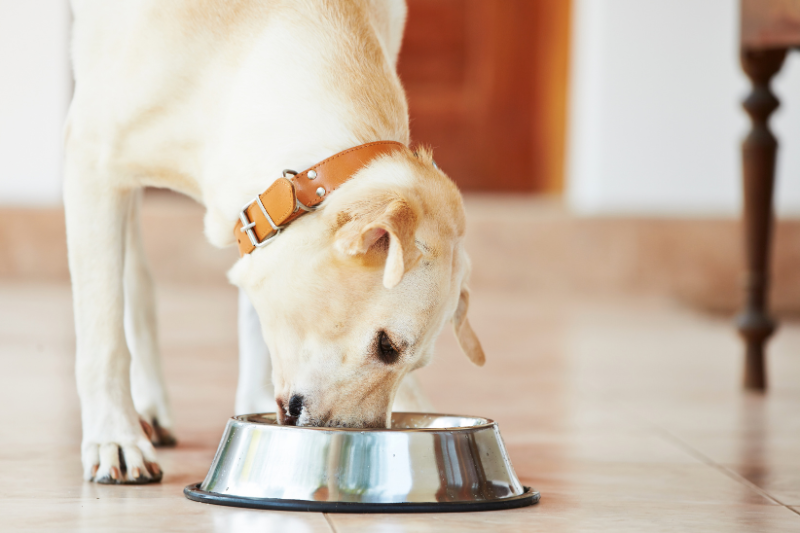
Maintaining a balanced diet is essential for the health of an assistance dog. Consult your veterinarian to determine the appropriate type and amount of food for your dog’s breed and size. Provide fresh water at all times and ensure that their dietary needs are met. PetCloud’s daily home visits service can assist those who are unable to bend down, or dish out food.
Regular Veterinary Care
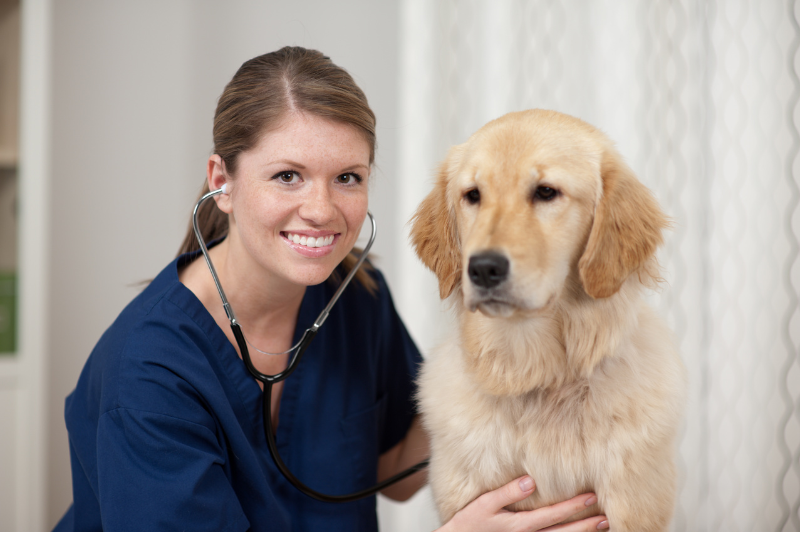
Assistance dogs should receive routine veterinary care, including vaccinations, preventive treatments for parasites, and regular check-ups. Any signs of illness or discomfort should be addressed promptly.
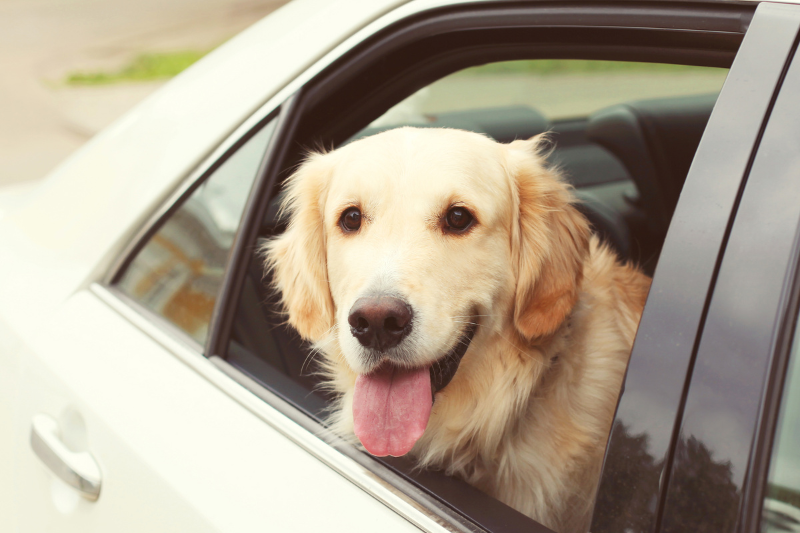
PetCloud’s unaccompanied pet taxi service can ensure regular visits to the veterinarian will help ensure that your dog remains healthy and capable of fulfilling their duties.
Grooming and Hygiene
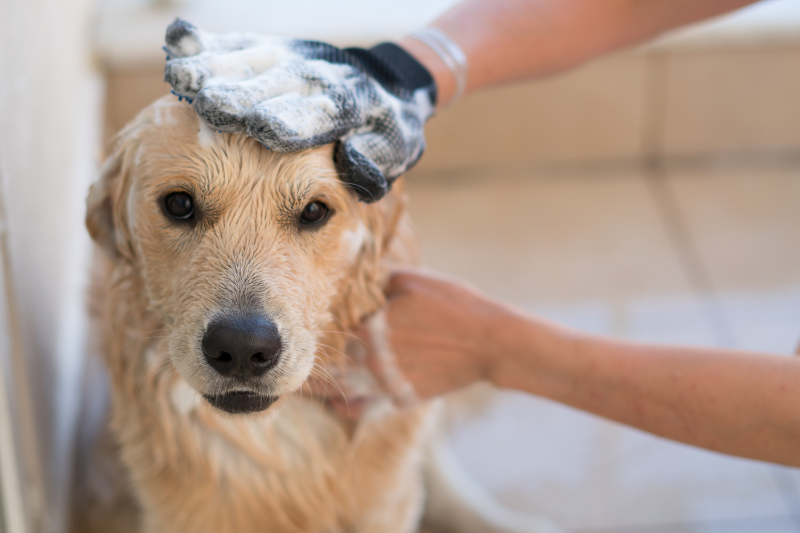
Regular grooming is essential to keep your assistance dog clean and comfortable. Depending on the breed, their grooming needs may vary. Regular brushing, bathing, nail trimming, and dental care should be included in their grooming routine. PetCloud provides support for NDIS participants by offering services like dog washing and grooming, ensuring that handlers with disabilities can maintain their assistance dog’s hygiene.
NDIS Funded Support to maintain Assistance Dogs
PetCloud recognises the unique challenges faced by NDIS participants with disabilities in caring for their assistance dogs. They offer a range of services designed to support handlers, including dog washing, grooming, pet taxis, dog walking, home visits to feed and water pets, and backyard poo patrol. This support network is designed to alleviate some of the responsibilities and physical demands associated with assistance dog care, enabling handlers to focus on their own well-being and the partnership with their dog.
Caring for an assistance dog is a significant responsibility, particularly for NDIS participants with disabilities. By following the guidelines outlined in this article and utilising the support network provided by PetCloud, handlers can ensure the health, well-being, and happiness of their assistance dogs. With proper care, these amazing animals will continue to be invaluable companions, enabling individuals with disabilities to live fuller and more independent lives.