Dog bites are preventable with the right knowledge and preparation. Whether you’re a new or experienced pet sitter, understanding canine communication and setting safe professional boundaries can greatly reduce risk.
1. Understand Why Dogs Bite
The American Veterinary Medical Association (AVMA) explains that any dog can bite, regardless of breed or history. Most bites happen when dogs feel threatened, startled, or territorial. Even gentle dogs may react defensively if their signals are ignored.
Dog body language offers clear warnings before a bite occurs. Watch for:
Stiff posture
Ears pinned back
Lip licking or yawning
Growling or backing away
Respond by calmly creating distance, avoiding sudden movements, and giving the dog control of space.
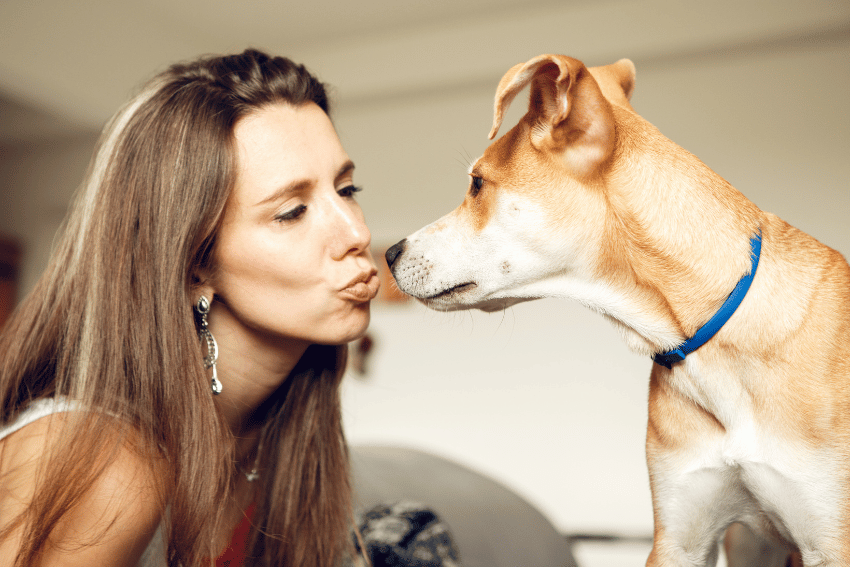
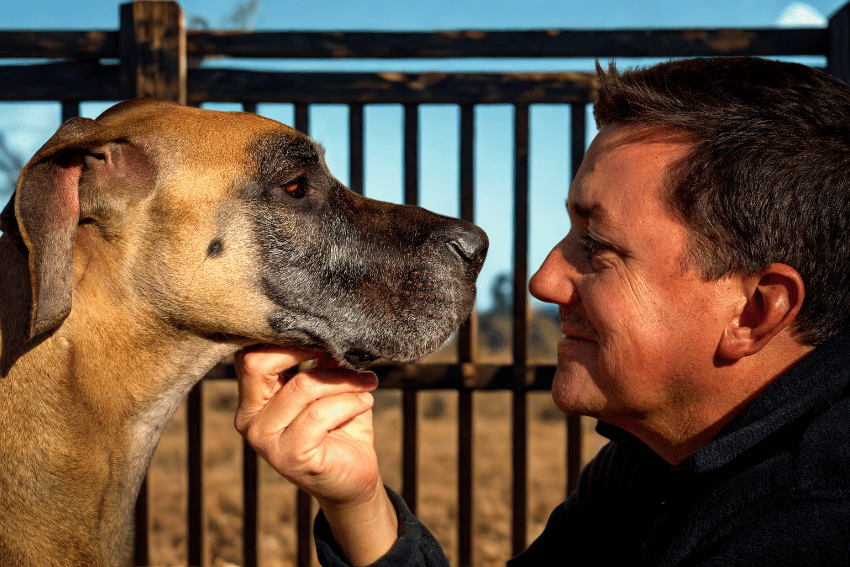
Don’t put your face near an unknown guest dog as they may find it threatening
A study published in Applied Animal Behaviour Science (ScienceDirect, 2015) found that:
“Bending over a dog, putting the face close to the dog’s face, and gazing between dog and victim immediately preceded a bite to the face.”
Direct eye contact, leaning forward, and face proximity are high-risk behaviours
This research shows that direct eye contact, leaning forward, and face proximity are high-risk behaviors.
When greeting a dog:
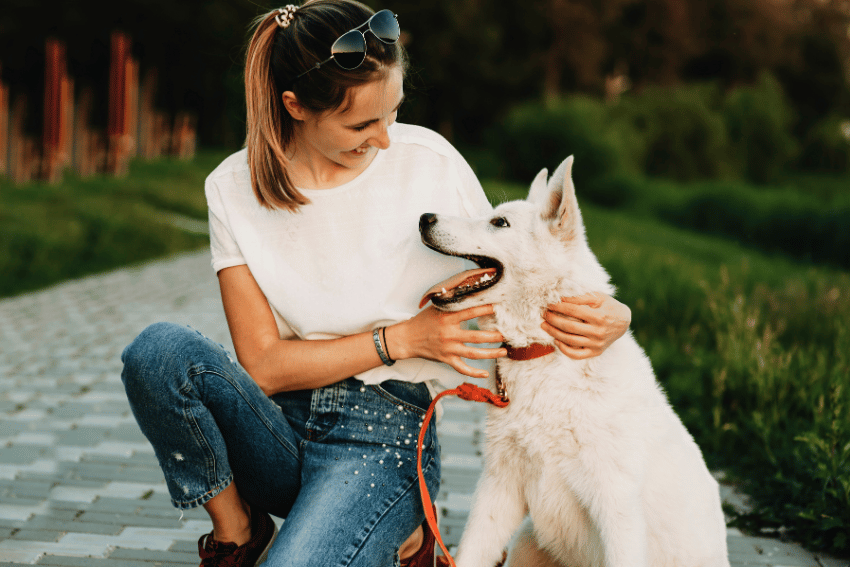
Stand side-on instead of head-on
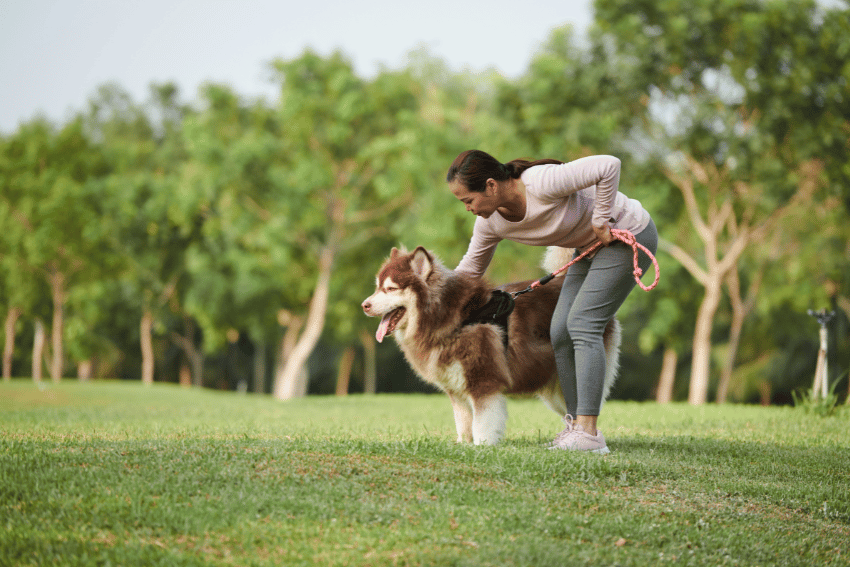
Avoid crouching directly over the dog
Let the dog sniff and approach you first
Keep your face and hands relaxed and below the dog’s eye line
These subtle posture changes signal respect and safety to the animal.
Stand side-on instead of head-on can avoid dog bite and dog attack as a pet sitter
3. Always Conduct a Meet & Greet With the Dog Present
If a pet owner asks for a meet and greet but doesn’t bring their dog, be professionally assertiveand request that they do as you need to observe how the dog interacts with new people and other dogs before agreeing to take on the booking.
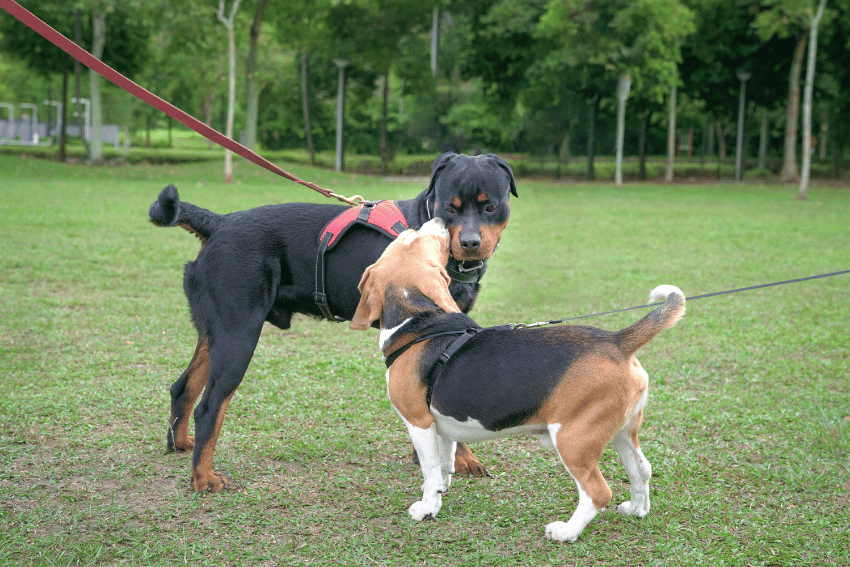
Arrange the first meeting at a neutral location—like a park or open space. Neutral ground helps prevent territorial aggression, which often occurs when a stranger enters a dog’s home territory.
Use this time to assess:
Whether the dog is comfortable with touch
How they respond to new environments
Whether they show fear or stress cues
Neutral ground helps prevent territorial aggression, which often occurs when a stranger enters a dog’s home territory
4. Ask Key Behavioural Questions
Before confirming a booking, ask the owner about the dog’s history:
Was the dog rescued or previously abused?
Has the dog been socialised with strangers and other pets?
Does the dog show resource guarding—protecting food, toys, or sleeping spots?
These insights help you anticipate triggers and build trust safely.
5. Practice Calm, Positive Reinforcement
Positive reinforcement builds confidence and cooperation. Reward the dog for calm behavior with treats, praise, or toys. Avoid shouting, leash jerks, or punishment—these create fear and can provoke a bite.
The goal is to associate your presence with safety and predictability.
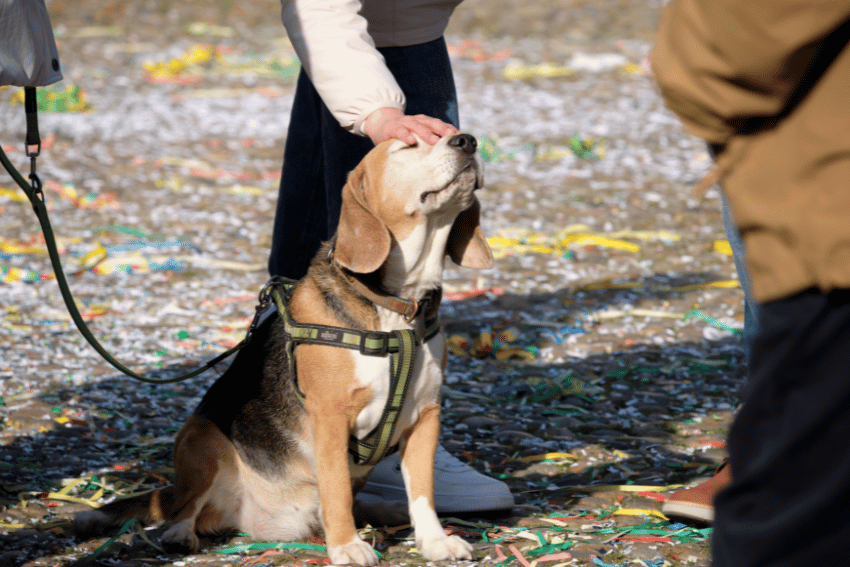
Reward the dog for calm behavior with treats, praise, or toys with permission of the Owner
6. Always Protect Yourself with Personal Accident & Illness Insurance
Even experienced sitters can encounter unpredictable situations. Personal Accident & Illness insurance provides protection if you’re injured while caring for a pet. It can cover:
Medical treatment and hospital bills
Lost income during recovery
Rehabilitation costs
Having insurance means peace of mind—you’re covered if an accident happens despite taking precautions.
Consider: How would facial reconstructive surgery and loss of income due to time off work impact you?
7. Key Tips to Remember
✅ Always meet the dog before accepting a booking ✅ Hold the first meeting in a neutral location ✅ Avoid eye-to-eye contact or bending over the dog ✅ Ask about socialisation, trauma, and guarding habits ✅ Use positive reinforcement to build trust ✅ Keep insurance coverage active for personal safety
Knowing how to avoid dog bites and how to avoid dog attacks is about preparation, observation, and respect for animal boundaries. By combining AVMA safety guidelines, proven behavioural science, and professional assertiveness, pet sitters can keep themselves and the dogs in their care safe.
Dog bite prevention isn’t just about avoiding injury—it’s about understanding communication between humans and dogs. That’s what defines a skilled, compassionate, and responsible pet sitter.
About the Author: Deb Webber, Founder & CEO of PetCloud. Deb is a Certified Trainer and Assessor - credentials she has put to use developing professional training courses for pet care providers. A pet owner herself, Deb founded PetCloud out of a genuine frustration with the lack of accountability and safety standards in the pet care industry - and a conviction that pets deserve better.