
Dog anal glands are something many pet owners don’t think about—until their dog starts scooting, licking, or giving off a strong, fishy smell. Anal gland issues are common, uncomfortable, and can become serious if ignored.
This simple guide explains everything you need to know in easy language, so you can keep your dog healthy, happy, and pain-free.
What Are Dog Anal Glands?
Dog anal glands are two tiny sacs inside your dog’s anus, sitting at about the 4 o’clock and 8 o’clock positions.
What they do
- They hold a foul-smelling, oily fluid used for scent marking and communication between dogs.
- During normal bowel movements, firm stools put pressure on these sacs and release a small amount of fluid.
- When dogs are scared, they may release the fluid suddenly, leaving a very strong smell.
Where Are the Anal Glands Located?
Imagine the anus as a clock face:
- One sac sits at 4 o’clock
- The other sits at 8 o’clock
Each is about the size of a pea.
Common Anal Gland Problems
Dog anal glands often cause issues because the fluid becomes thick and can’t drain properly.
1. Impacted Anal Glands
Fluid gets stuck, causing:
- Swelling
- Fullness
- Pressure
- Discomfort
2. Anal Gland Infection
If the fluid stays trapped, bacteria can grow, causing:
- Redness
- Pain
- Swelling
- Fever
3. Anal Gland Abscess
This is the most painful stage.
Glands fill with pus, may burst, and cause:
- Bleeding
- Open wounds
- Serious pain
This requires immediate veterinary care.
Signs Your Dog Has Anal Gland Problems
These are the most common symptoms of blocked anal glands in dogs:
- Scooting their bottom across the ground
- Licking or biting the rear end
- A strong, fishy, foul smell
- Difficulty pooping
- A dirty streak or leaking fluid on carpets
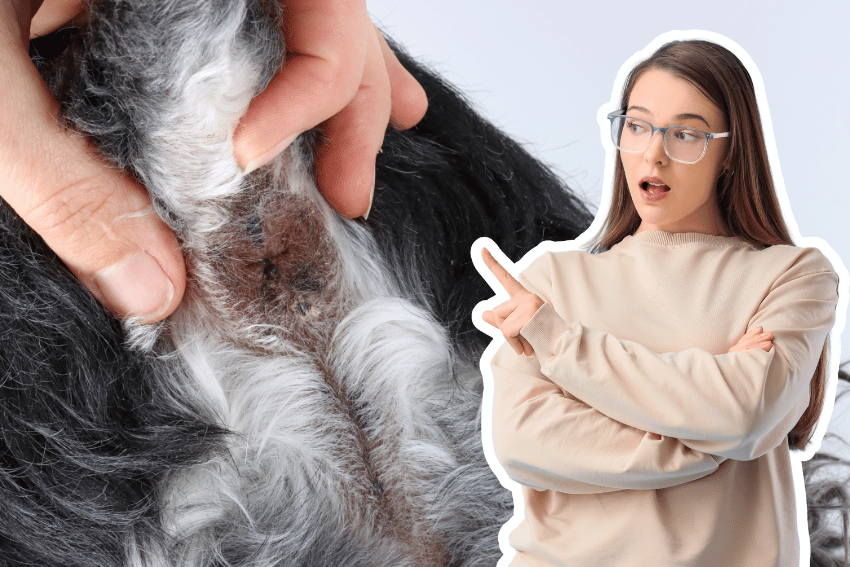
- Swelling beside the anus
- Whimpering when sitting
If you see these signs, book Pet Maintenance with PetCloud or see your vet.
What Causes Anal Glands to Block?
1. Low-fibre diet
Soft stools don’t press on the glands enough to empty them.
2. Obesity
Extra weight can block natural drainage.
3. Diarrhea
Loose stools do not provide the pressure needed to release anal gland fluid.
4. Inactivity
An inactive lifestyle slows digestion. Post a job for Dog Walker to regularly walk your dog.
Dog anal gland supplements and higher-fibre diets may help, but hands-on care is still needed.
How to Help Your Dog
1. Veterinary Check
Always the safest first step.
2. Manual Expression
A vet or trained professional can safely perform:
- External anal gland expression
- Internal expression (if required)
Never attempt this yourself without training. You can injure your dog or cause infection.
3. Diet Changes
Add fibre sources such as:
- Cooked pumpkin
- Dog-safe high-fibre vegetables
- Dog anal gland supplements (fibre-based)
4. Regular Exercise
Movement helps digestion and stool formation. Post a job for Dog Walker to regularly walk your dog.
Why Book Recurring Pet Maintenance with PetCloud?
PetCloud offers safe, routine anal gland checks and expression as part of their Preventative Care / Pet Maintenance service.
Benefits:
- Prevents painful impactions
- Catches early signs of infection
- Keeps your dog comfortable
- Reduces vet bills
- Performed by trained, trusted carers
- Convenient recurring appointments across Australia
👇 Book here anytime
https://www.petcloud.com.au/pet-maintenance
Frequently Asked Questions
How do you know if your dog needs their glands squeezed?
Scooting, licking, strong smell, or difficulty pooping.
How to express a dog’s anal glands?
This should only be done by a vet, a groomer, or trained pet professional. Incorrect technique can cause injury or a dog anal gland rupture.
How do you clear a dog’s anal glands?
Through manual expression or veterinary treatment if infection or abscess is present.
How often should a dog’s anal glands be expressed?
Some dogs never need it. Others may need it every 4–8 weeks. A recurring Pet Maintenance Preventative Care plan through PetCloud can help manage this.
Is expressing anal glands painful?
When done correctly, most dogs tolerate it well. If the glands are infected, it may be uncomfortable.
Book Your Dog’s Anal Gland Care through PetCloud
Regular anal gland care prevents:
- Pain
- Infection
- Abscesses
- Ruptures
- Emergency vet bills
👉 Book your dog’s recurring Pet Maintenance (including anal gland expression):
https://www.petcloud.com.au/pet-maintenance