
If you’ve thought “My reactive dog is ruining my life” you’re not alone. Having a reactive dog can be really hard — stressful walks, barking at everything, and feeling like you’ve lost control. But don’t worry — with the right help and patience, your dog can get better.
In this article, we’ll explain how to help your reactive dog feel calmer and happier using only positive and kind training methods.
What Is a Reactive Dog?
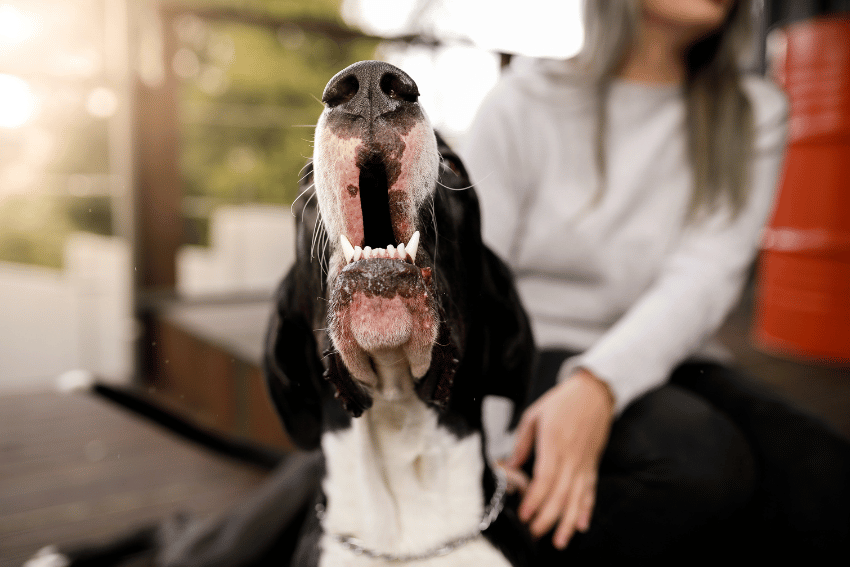
A reactive dog is one that gets too excited, scared, or upset when they see certain things — like other dogs, people, or loud noises. They might bark, lunge, growl, or freeze.
This doesn’t mean your dog is bad! Often, it just means they’re scared or don’t know how to handle new situations. Some dogs didn’t get much early training or social time as puppies, and that can make them nervous later in life.
Why Use Positive Reinforcement Training?
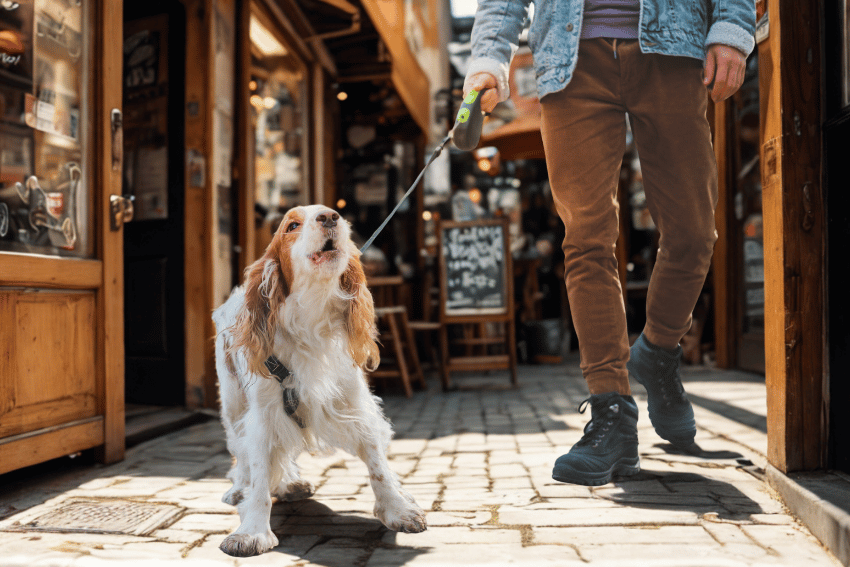
Positive training means rewarding your dog for calm and good behaviour instead of punishing them when they make mistakes. This helps your dog feel safe, confident, and eager to learn.
Yelling, yanking the leash, or using punishment can make dogs more afraid and even more reactive. So always use treats, praise, and patience instead.
How do you deal with a reactive dog?
- Find out what triggers your dog (for example, other dogs, bikes, or loud cars).
- Keep your distance from those triggers until your dog can stay calm.
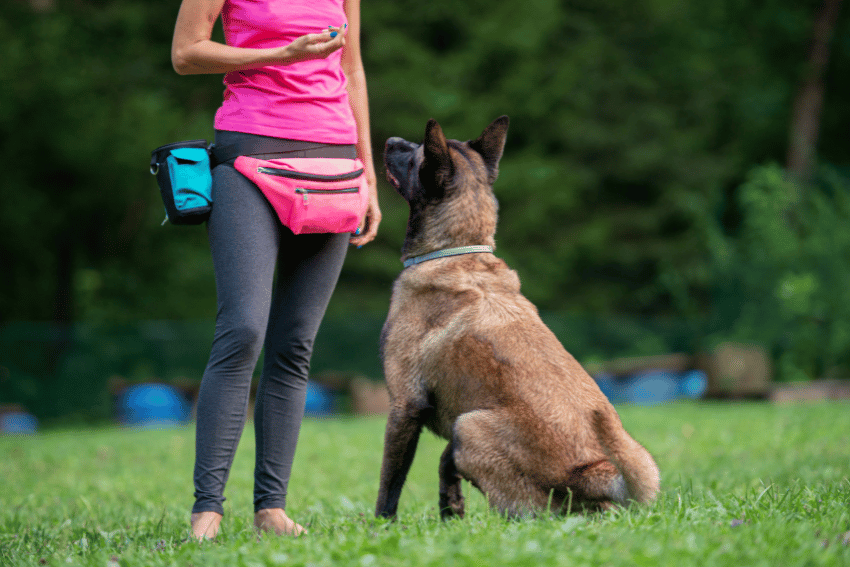
- Reward calm behaviour with treats and praise.
- Stay patient and gentle — progress takes time.
- Get help from a reward-based trainer if needed.
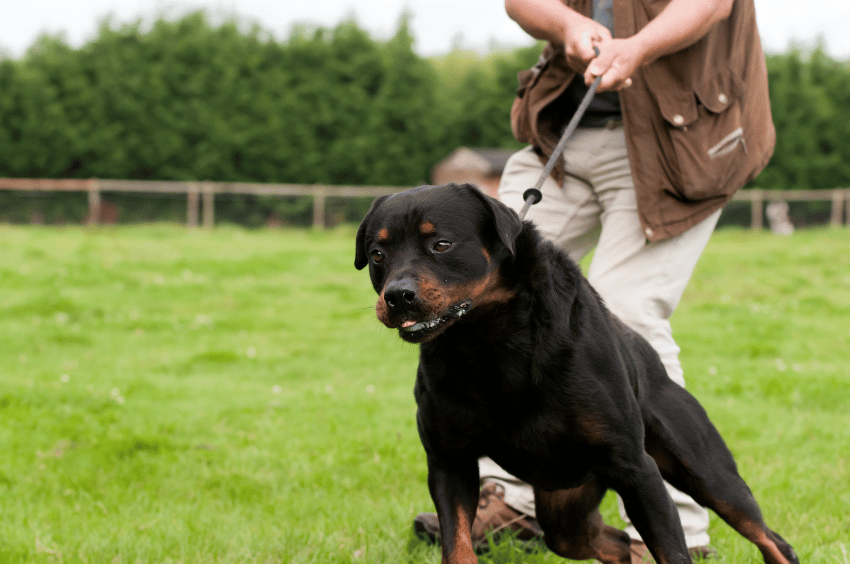
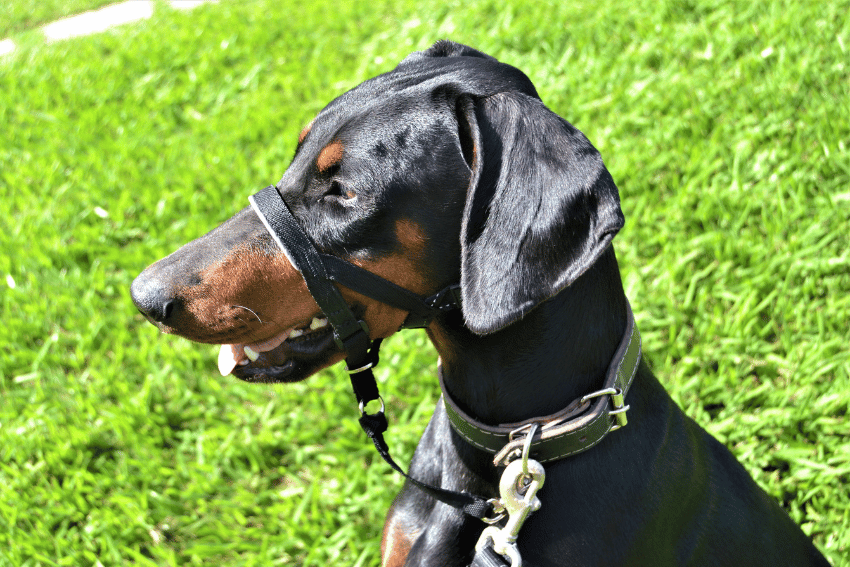
Instead, a front clipping body harness and a gentle leader head halter will make behaviour modification easier.
Do reactive dogs calm down with age?
Sometimes they do — but not always. Time alone won’t fix it. With training, good routines, and lots of practice, many dogs become much calmer as they grow up.
What not to do with a reactive dog?
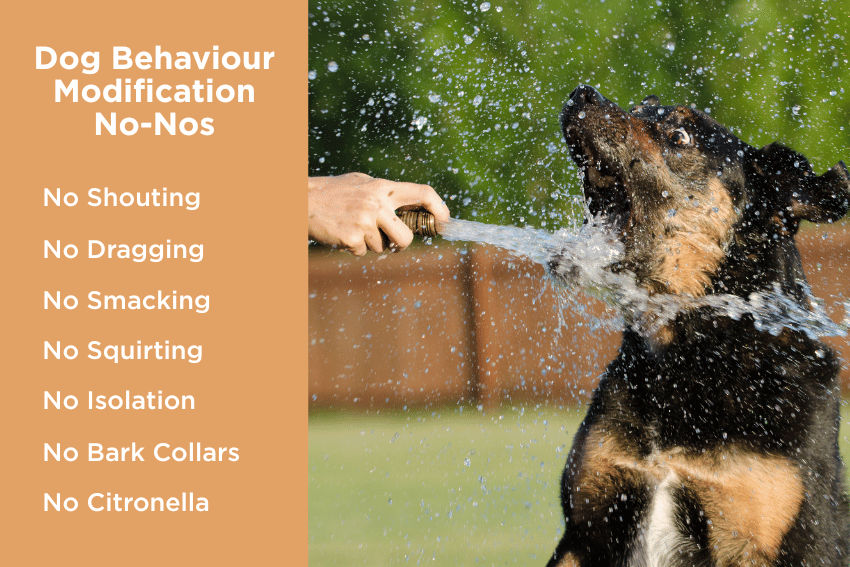
- Don’t drag them toward things that scare them.
- Don’t shout, punish, or use harsh tools — it makes fear worse.
- Don’t let them rehearse barking fits. Calmly walk away before they get upset.
- Don’t give up — consistency is key!
Can reactive dogs be rehabilitated?
Yes! Many reactive dogs can improve a lot. With slow, steady training and trust-building, your dog can learn to stay relaxed around triggers.
How to socialise a reactive dog?
Start small.
- Let your dog see other dogs or people from far away.
- Reward them every time they stay calm.
- Gradually move closer over weeks or months.
- Always make experiences positive — never scary.
For puppies, early socialisation (between 3–16 weeks) is super important — read How to Socialise a Puppy Before Vaccinations.
How to calm a reactive dog on a walk?
- Walk when it’s quiet and use calm routes.
- Keep tasty treats ready.
- Reward calm behaviour.
- If you see a trigger, calmly turn around before your dog reacts.
- Stay relaxed — your dog can feel your emotions.
How to manage a reactive dog at home?
- Give your dog a safe, quiet space (like a cosy bed or crate).
- Keep routines simple and predictable.
- Provide mental games (puzzle toys, sniffing games).
- Reward calm behaviour often.
- Stay calm yourself — your energy affects your dog!
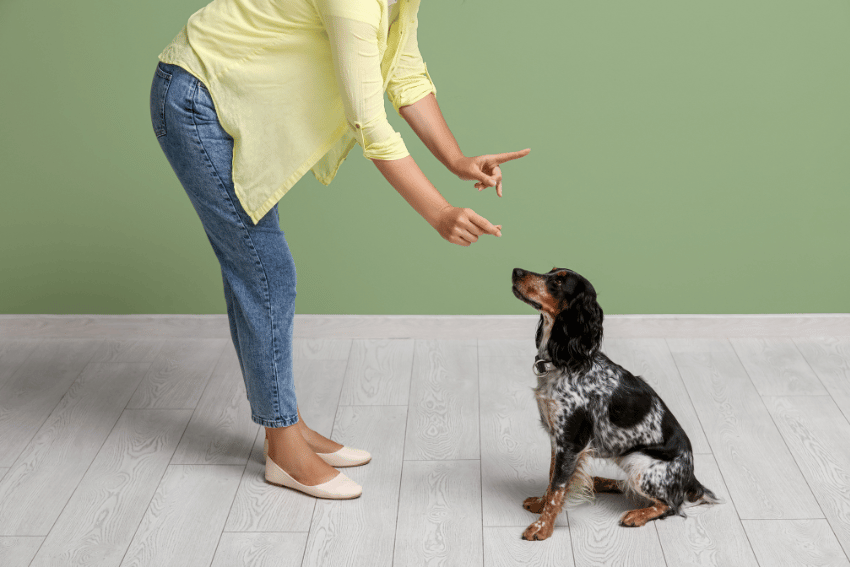
What is reactive dog training?
It means helping your dog learn to stay calm around things that once scared or excited them. Trainers use techniques like:
- Desensitisation — slowly showing your dog the trigger from a safe distance.
- Counter-conditioning — giving treats when the trigger appears so they learn “this thing brings good stuff!”
- Focus training — teaching your dog to look at you for guidance.
Are some breeds more reactive?
Some breeds are more energetic or alert, like Border Collies, Staffies, and Jack Russells. But any breed can become reactive if not trained or socialised properly. Early, positive puppy experiences make the biggest difference.
Equipment
Front clipping harness
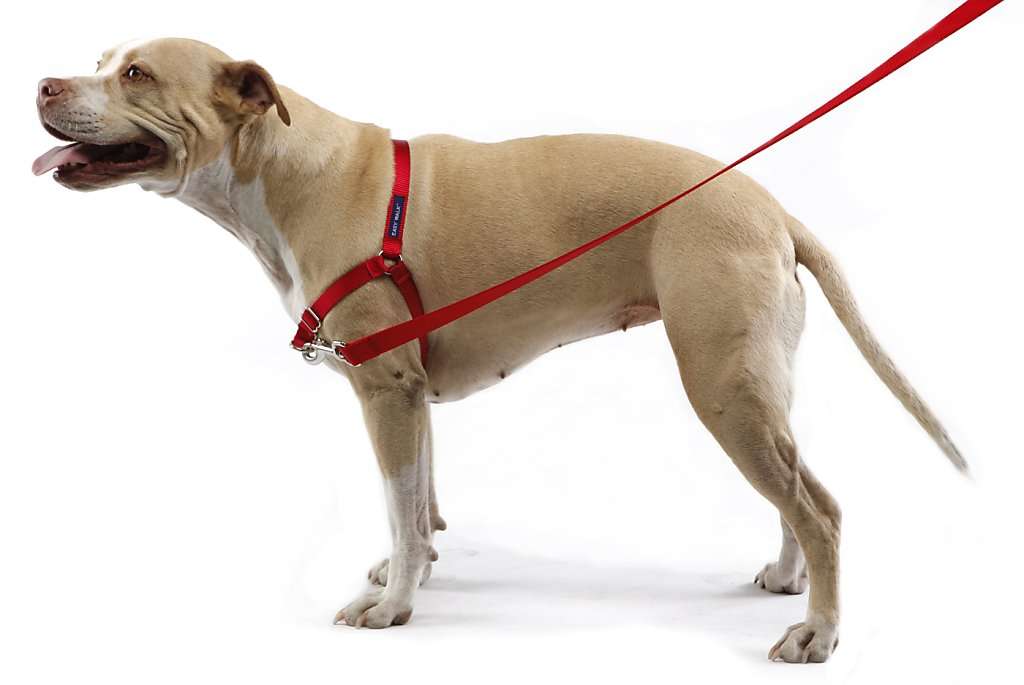
For medium sized to large dogs, a front-clip harness is an ideal choice. It lets you guide your dog’s movement with minimal effort while avoiding strain on their neck. The clip at the chest redirects their pulling motion, helping to reduce leash tension and making walks smoother and more controlled.
Head Halters
Head halters can help manage strong or powerful dogs, but they shouldn’t be your first choice. Many dogs need time to get used to them, and rushing the process can cause discomfort or stress. Always introduce a head halter gradually, ideally with guidance from a positive reinforcement trainer or veterinary behaviourist. Go slowly and give your dog time to adjust comfortably.
What is the critical socialisation period for puppies?
Between 3 and 16 weeks old, puppies are learning about the world. This is the best time to show them new sights, sounds, and people in a safe and positive way. Doing this helps prevent fear and reactivity later in life.
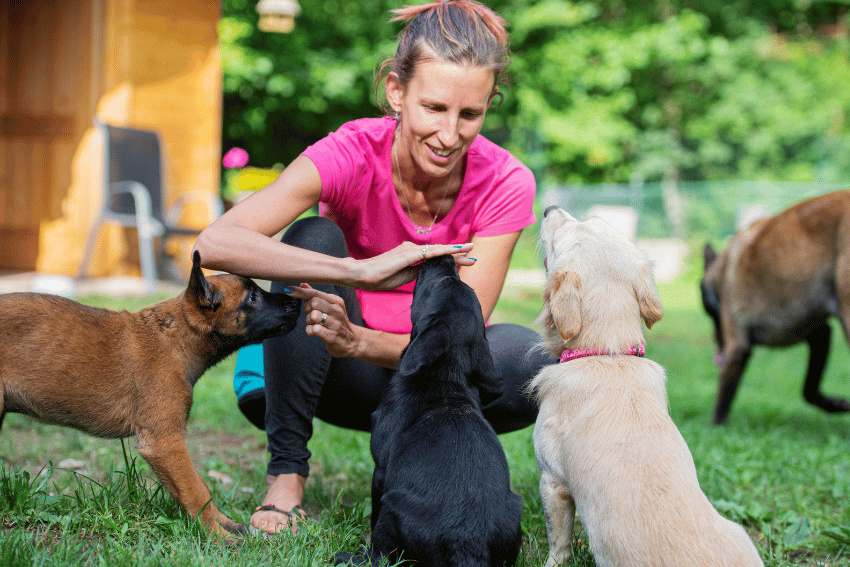
Read more here: How to Socialise a Puppy Before Vaccinations.
Why Choose PetCloud to find Help for Your Reactive Dog
At PetCloud, we know how stressful it can be when your dog over-reacts. Professional dog walkers on the platform use only kind, positive reinforcement techniques. So if you are looking for help for reactive dogs in Australia, they can help with Calm dog walking plans to build your dog’s confidence
When you book through PetCloud, you’re choosing a caring team that understands dogs — and cares about your peace of mind.
👉 Book your dog’s walking plan today at PetCloud.com.au and start your journey toward calmer, happier walks!
Final Thoughts
Having a reactive dog can be tough — but you’re not stuck. With patience, gentle training, and help from professionals like PetCloud, you can make big changes. Your dog wants to feel safe and connected.
Start today — your calmer, happier life with your best friend is waiting.
You don’t have to face your dog’s behaviour alone. With the right NDIS support, you can both enjoy daily walks, a healthier routine, and stronger community ties.
👉 Get a Quote for NDIS Support
Let’s help you and your dog move forward—safely, confidently, and together.